📅 Updated August 4, 2026
Key Takeaways
- Learning how to clear a main sewer line clog starts at the clean-out fitting: locate it, open it carefully, cable the line, and flush the results.
- Clogs in more than one fixture at once point to a sewer line backup in the main; a single slow drain is almost always a branch problem with a simpler fix.
- An open clean-out on a blocked main can release pressurized sewage, so gloves, distance, and patience are part of the job, not optional extras.
- A main sewer line clog that returns after clearing has a cause a cable cannot fix: roots, grease coating, or a damaged pipe that needs a camera look.
- No clean-out, repeat backups, or roots on the menu means the DIY chapter is over and the pros take it from there, price quoted first.
Knowing how to clear a main sewer line clog can turn a whole-house plumbing emergency back into a normal afternoon, if your home has the one fitting that makes it possible and you respect what is waiting behind the cap. When the main line blocks, every drain in the house stands behind the same dam, and sewage looks for the lowest exit it can find. This guide covers the full picture of how to clear a main sewer line clog: how your drains actually connect, how to tell a main line problem from a simple clogged fixture, the five clearing steps, and the honest line where DIY ends.
One promise before we start: no scare tactics and no pretending every backup needs a truck. If you are standing in a backup right now and want it handled, call (803) 988-9202 and skip to the part where it is our problem.
A Quick Tour of Your Home’s Drain System
Every fixture in the house drains through a P-trap, the curved pipe that holds a plug of water as a seal against sewer gases. From each trap, wastewater enters a branch drain line running inside walls and under floors, and the branches feed into a vertical pipe called the soil stack, which also vents sewer gases up through the roof. Everything the stack collects lands in the building drain under the house, which becomes the main sewer line, the single buried pipe carrying every drop of household wastewater out to its destination.
That destination is the city sewer for most local homes, or a septic system for roughly 60 million Americans on private systems. Either way, the buried line between your house and the city main or tank belongs to you, which means a clog in it is yours to deal with. The main line’s position explains its symptoms: because every branch feeds it, a blockage there backs up everything at once, and the lowest drains in the house feel it first.
Main Line or Branch Drain? Read the Symptoms First
Before touching a wrench, diagnose which pipe is actually behind the sewer line backup, because the answer decides everything that follows. One slow bathroom sink is a branch problem, and a plunger or small snake handles it. Multiple fixtures misbehaving together, or sewage appearing where it should not, points at the main. The pattern tells the story:
Plumb Time Plumbing and Drain Services | Diagnose first, then decide how to clear a main sewer line clog
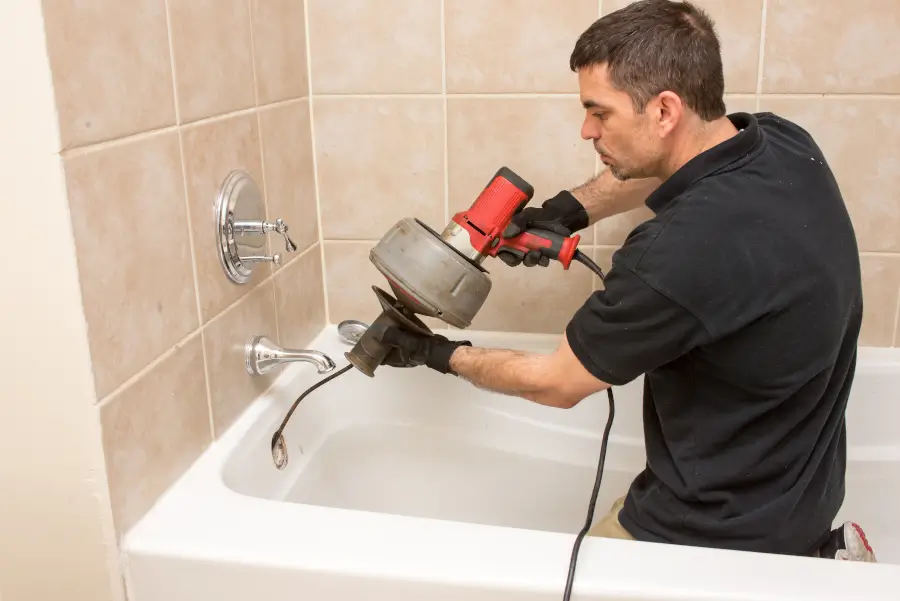
Rule out the branch first. If the fix does not hold, the main is talking.
One more cause worth naming before the steps: tree roots. Roots enter the main through joints and cracks, and a root mat behaves like a permanent clog that no amount of plunging touches. If your home sits under mature trees and the backups keep returning, roots move to the top of the suspect list, and the way to confirm them is a camera, not another round of guessing.
How Fast Does a Main Line Clog Build?
A reader asked exactly this in the comments: does a sewer line backup take months or years to develop? The honest answer is that the clock depends entirely on the cause. Wipes and paper products can dam a line in weeks, because they do not break down and each flush stacks the pile higher. Grease works in years, coating the pipe in layers until the opening is a fraction of its original size. Roots run on seasons, growing hardest in late summer when dry ground sends them hunting for water.
Pipe condition sets the multiplier. A smooth PVC line sheds debris that a scaled cast iron or offset clay line snags, so the same habits clog an older line years sooner. And on septic systems, a full tank produces identical symptoms to a clogged main sewer line, which is why the EPA recommends professional septic inspection on a regular schedule, with pumping as the inspector advises. If your backups arrived slowly and the house is on septic, service the tank before assuming the line.
The takeaway for timing: a main sewer line clog that built slowly usually clears and stays cleared, while a sewer line backup that came on fast and returns fast has an active cause feeding it. Match your urgency to the pattern, not just the puddle. And write down what you notice along the way, because when you do call a pro about a clogged main sewer line, the history you describe on the phone, how fast it built, which fixtures spoke first, what has already been tried, is half the diagnosis before any equipment comes off the truck. A well-told sewer line backup story saves you money.
Why Main Lines Clog So Often Around the Midlands
Local ground stacks the deck. The clay soil across the Columbia area swells with wet winters and shrinks through dry summers, and that slow flexing works the joints of buried pipe apart a little at a time. Every opened joint is a doorway, and the mature oaks and maples shading the older neighborhoods send roots straight through them. Add the clay tile and cast iron still serving homes built before the 1980s, rough-walled and joint-heavy compared to modern PVC, and a clogged main sewer line stops being bad luck and starts being the neighborhood default.
That local reality shapes the advice. A first sewer line backup in a newer PVC-plumbed house is probably simple debris, and the five steps below give you a fair shot at it. The same backup under a 1960s ranch with a tree-lined yard deserves more suspicion, because the odds shift from something in the pipe to something wrong with the pipe. Clearing still comes first either way; the difference is how surprised to be when it comes back.
How to Clear a Main Sewer Line Clog in 5 Steps
Here is how to clear a main sewer line clog when the access exists. These steps revolve around the clean-out fitting, the capped access pipe that connects directly to your main line. Many older Midlands homes never had one installed, and without it, this is not a DIY job, skip ahead to the professional route. With one, work carefully: the line behind that cap may be holding back standing sewage under pressure, so gloves, old clothes, and patience are part of the tool list.
1. Locate the Clean-Out Fitting
Look for a 3, 4, or 6 inch pipe with a threaded plug, sticking up outside near the house on the side facing the street or sewer easement, or at the lowest indoor level in older homes. The cap usually has a square nut or slot for a wrench. Cannot find one anywhere? Some homes truly do not have one, and that answer alone tells you which path this repair takes.
2. Loosen the Cap Slowly, and Stand Clear
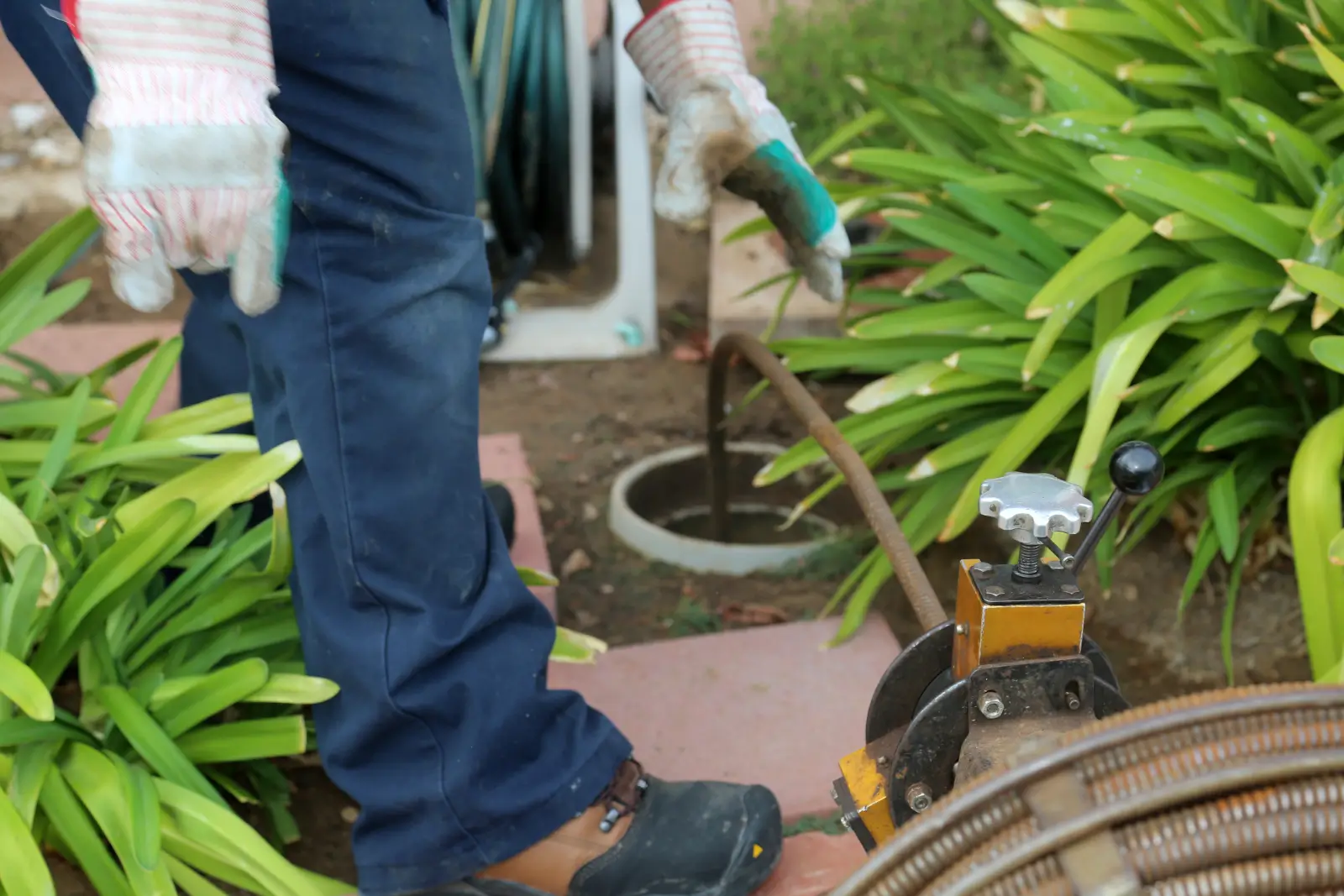
This is the step that hurts people who rush it. Use a pipe wrench to back the plug off slowly, and do not pull it free in one motion: a blocked main can hold back a column of wastewater that exits with force the moment the seal breaks. Crack it, step aside, and let any pressure announce itself before you fully open the fitting. Sewage is a biohazard, so gloves on and cuts covered.
3. Let the Buildup Drain Out
With the cap off, standing waste in the line drains out through the fitting, and this alone often relieves the immediate backup inside the house. Give it all the time it needs until the flow stops on its own. Keep people and pets clear of the area, and plan on disinfecting the surroundings when the job is done.
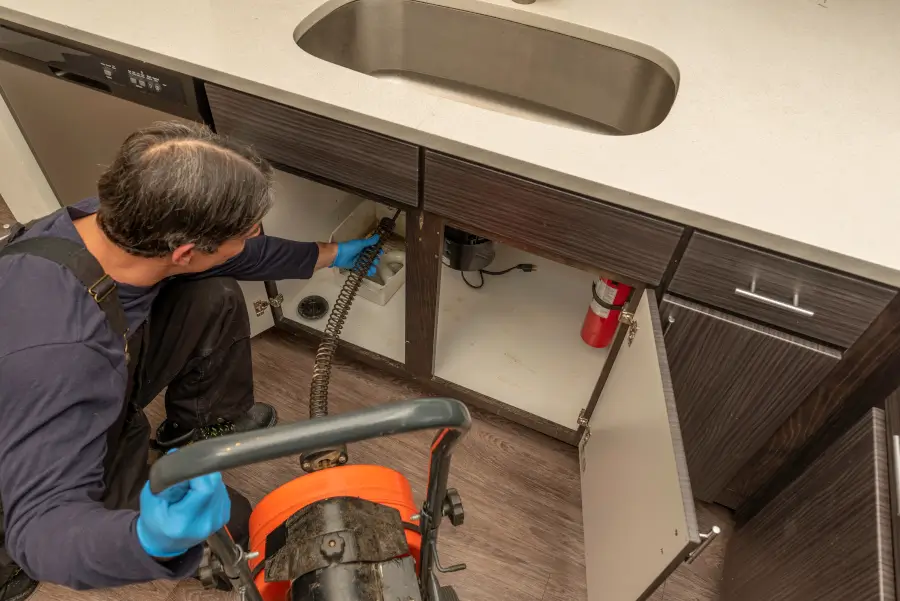
Feed steadily, work the resistance, and keep going until the cable runs clean.
4. Cable the Line
Feed a plumbing snake or auger into the fitting toward the blockage, following the tool’s instructions. When you hit resistance, work the cable through it rather than forcing it, and repeat the pass as long as you keep pulling back debris. A rented power auger reaches further than a hand snake, but treat it with respect: a spinning cable that binds in the line can whip, which is one more reason the pros carry machines matched to the pipe.
5. Flush and Confirm
Before winding the cable back, hose it down inside the pipe to break up leftover debris and rinse the cable itself. Recap the fitting, then test the house: flush toilets, run tubs, and watch the lowest drain. Everything flowing means you cleared it. Anything still slow means the blockage remains, or the clogged main sewer line was a symptom of something the cable cannot fix.
No clean-out, no luck, or no interest in meeting what is in that pipe? Fair enough.
When DIY Ends: The Honest Boundary
Some main line situations are past the reach of a rented cable, and knowing the boundary saves you a wasted weekend and sometimes a damaged pipe. The dividing lines are clear:
There is no scorekeeping at the boundary. Plenty of capable homeowners clear their own line with the steps above, and plenty of others look at an open clean-out and decide their Saturday is worth more. Both are right. The only wrong move is clearing the same clogged main sewer line every few months and never asking why it keeps coming back. Knowing how to clear a main sewer line clog includes knowing when clearing is no longer the answer.
Three Things Not to Do to a Blocked Main
First, skip the chemical drain openers. On a main sewer line clog they are useless by geometry, arriving too diluted and too far from the blockage to work, and they turn the standing water in your line into a caustic hazard for whoever opens the clean-out next, including you. Second, resist creative pressure: garden hoses jammed into cleanouts and rented pressure washers pointed down pipes have flooded more than one crawlspace when the water found an exit the owner forgot about.
Third, do not wait a sewer line backup out. A blocked main never improves on its own, and every additional gallon the household sends down finds the lowest exit it can, usually a tub or floor drain you would rather keep clean. The cheapest moment to act is the first one, whether that means the steps above or the phone call below.
What the Pros Do Differently
The professional version starts where DIY cannot: with eyes inside the pipe. A sewer camera inspection shows what the blockage is, where it sits, and whether the line itself is sound, which turns clearing from an act of hope into a targeted fix. Simple blockages get machine cable work sized to the main. Grease coatings, heavy buildup, and root mats get hydro jetting, which scrubs the full pipe wall instead of punching a hole that closes back up, and a follow-up camera pass proves the line is clean before we call it done.
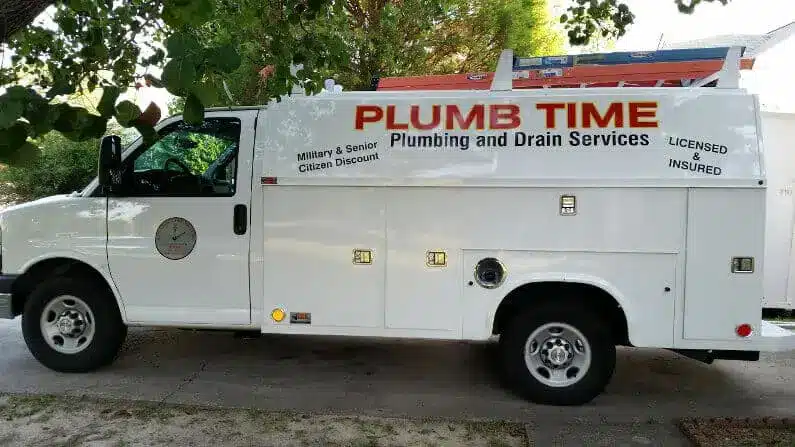
Cable, camera, and jetter on one truck, so the right tool is never a second trip.
And when a sewer line backup traces to the fixtures instead of the main, professional drain cleaning handles the branch lines with the same match-the-tool discipline. Every option is quoted before any work starts, so the decision between one more DIY attempt and done-today is always made with the numbers in front of you.
Keeping the Main Line Clear for Good
The easiest version of how to clear a main sewer line clog is never needing to. Prevention is mostly a list of things that never belong in a drain. Wipes of every kind, including the ones labeled flushable, paper towels, feminine products, and grease are the four horsemen of the main sewer line clog, and each one is optional. Grease goes in a can, wipes go in the trash, and the line under your yard quietly lasts years longer.
Habits handle the inside of the pipe; attention handles the rest. Slow drains that recover and slow again, gurgles after the washer empties, and odors that come and go are a sewer line backup sending invitations ahead of its arrival, and our guide on the signs your drains need cleaning covers the full early-warning list. Lines with root history earn a periodic camera check or a standing cleaning schedule, because the cheapest main line clog is the one that never quite forms.
Clear It Once, or Never Deal With It Again
Now you know how to clear a main sewer line clog, when the five steps are enough, and when the pipe is asking for more than a cable. Whichever side of that boundary your Saturday lands on, the goal is the same: every drain in the house flowing, and the problem actually solved rather than postponed.
Plumb Time Plumbing and Drain Services has been clearing main lines across Columbia, West Columbia, and the Midlands for over 28 years, family and veteran owned, with a plumber near you and the price always quoted first. Get in touch with us and let a clogged main sewer line become the easiest problem you solve this week.
Every drain in the house backed up? That is a main line, and main lines are our home turf.
Main Sewer Line Clog Questions, Answered Straight
These come up on nearly every backed-up-house call we run. If yours is not here, call (803) 988-9202, because how to clear a main sewer line clog is only half the conversation; the other half is making sure it stays cleared.
Can I clear a main sewer line clog myself?
Often, yes, if your home has a clean-out fitting and the clog is simple debris. The five steps in this guide cover it: locate the fitting, open it carefully, let the line drain, cable the blockage, and flush. No clean-out, repeat backups, or suspected roots move the job to a pro with better equipment.
How long does it take for a main sewer line to clog up?
It depends on the cause. Wipes can dam a line in weeks, grease builds in layers over years, and roots surge seasonally, hunting water hardest in late summer. Older or damaged pipe clogs faster than smooth PVC on the same habits, and on septic systems, a full tank mimics a main line clog exactly.
What are the first signs of a sewer line backup?
Gurgling from fixtures you are not using, slow drains in more than one room, sewer odor indoors, and water appearing at the lowest drain when something else runs. The tub filling when the toilet flushes is the classic early alarm. Any two of these together point at the main line, not the fixtures.
Why does sewage come up in my tub or shower?
Because the tub sits at the lowest drain level, so when the main line blocks, wastewater seeking an exit surfaces there first. It is gravity, not the tub’s fault. Stop running water everywhere in the house immediately, since every gallon used anywhere adds to what is rising in that drain.
Will chemical drain cleaner fix a main sewer line clog?
No. The blockage sits too far down the line and the chemical arrives too diluted to matter, so the bottle solves nothing and leaves caustic residue waiting in the pipe for whoever opens it next. Mechanical clearing, cable or water, is how main lines actually get opened. Save the bottle money for the real fix.
How do I find my clean-out fitting?
Walk the outside wall closest to the street or the sewer easement and look for a capped 3 to 6 inch pipe at ground level, sometimes in a small ground box. Older homes may have one at the lowest indoor level instead, and some have none at all. Still stumped? We find or install them routinely.
How do professionals clear a main sewer line clog?
Camera first, to identify the blockage and confirm the pipe is sound. Then the matched tool: a main-sized cable machine for simple blockages, or hydro jetting when grease, buildup, or roots coat the line. A follow-up camera pass verifies the result, and every step is quoted before the work begins.
How long does it take for a sewer line to clog or back up? Is it years? Months?
It depends on if you use a lot of wipes and the condition of your pipe Also it depends on the last time you had your septic tank/ cesspool serviced bc if that got full it would definitely back up into your house. You should get your septic/cesspools serviced every 2 years