
📅 Updated June 24, 2026
Article At-A-Glance
- Residential backflow testing in Columbia SC runs about $75 to $200 per device in 2026, with extra cost only if repairs are needed
- Annual backflow testing isn’t optional in Columbia, it’s mandated by local regulations to protect public water supplies
- Commercial property owners face higher fees, often $100 to $225 per device, based on complexity and number of devices
- Plumb Time Plumbing and Drains provides certified backflow services with full documentation filed for city compliance
- Several factors influence testing cost, including device type, property accessibility, and seasonal demand
Water safety isn’t something to compromise on, especially when it comes to backflow services protecting your home from contamination. Backflow prevention devices are your first line of defense against unsafe water entering your home’s plumbing system, but they require regular testing to ensure they’re working properly. Plumb Time Plumbing and Drains provides certified backflow services in Columbia, committed to keeping your water supply safe through professional inspection, testing, and maintenance.
Backflow testing might seem like just another home maintenance expense, but it’s actually a crucial safeguard for your family’s health. This article breaks down everything Columbia residents need to know about backflow testing cost for 2026, what influences those prices, and why staying compliant with annual testing requirements is so important for both residential and commercial properties.
Backflow Services in Columbia SC: Essential Protection for Your Water Supply
Backflow occurs when water flows in the reverse direction through your plumbing system, potentially introducing contaminants into your clean water supply. This dangerous situation happens more frequently than most homeowners realize, especially during water main breaks, pressure drops, or when irrigation systems are improperly connected to your home’s plumbing. Backflow prevention assemblies are designed specifically to stop this reverse flow, but they need regular testing to verify they’re functioning correctly. South Carolina requires a preventer on homes with an in-ground irrigation system, a separate irrigation meter, or a water-serviced dock, and a first-time install needs a permit.
Protecting Columbia’s water supply is a responsibility shared between the city utility and property owners. While the city maintains water quality up to your property line, once water enters your property, preventing backflow becomes your legal obligation. This division of responsibility explains why Columbia, like many municipalities, requires documented annual testing of all backflow prevention devices.
Why Annual Testing is Mandatory, Not Optional
Backflow testing Columbia SC isn’t just recommended, it’s required by law. The city’s water utility enforces strict regulations through its cross-connection control program, mandating annual inspection of all backflow prevention devices. This requirement applies to both residential and commercial properties with potential cross-connections to the municipal water system. Non-compliance can result in fines, additional fees, and in extreme cases, water service interruption.
These regulations exist because a single backflow incident can affect water quality for multiple properties connected to the same water main. The city’s mandatory testing program creates a protective network ensuring that all devices in the system are functioning properly. When everyone complies with testing requirements, the entire community benefits from safer drinking water.
Documentation plays a critical role in this regulatory framework. Every test must be performed by a certified backflow prevention assembly tester, who then submits official records to the city water utility. These records confirm your compliance and become part of the city’s water safety monitoring system.
The Dangers of Contaminated Water from Backflow
Backflow incidents can introduce various contaminants into your drinking water, including chemicals, bacteria, and other harmful substances. The health implications range from relatively minor gastrointestinal issues to serious infections. In commercial settings, where chemicals and industrial fluids might be present, the potential dangers are even more significant.
Cross-connections, points where potable water connects to non-potable water sources, create the highest risk for backflow contamination. Common residential cross-connections include irrigation systems, pool filling equipment, and even garden hoses left in buckets. Commercial properties often have more complex cross-connections related to equipment cooling systems, chemical processing, or medical facilities.
Most failures give you warning signs at the tap. If you notice any of the following, it is worth scheduling backflow services to check your assembly before contamination spreads:
- Discolored water, brown, yellow, or pink, from the tap
- Water that suddenly tastes salty, sweet, or just off
- Visible silt or rust particles in the water
- Uneven pressure, low at some faucets and high at others
Professional testing identifies weaknesses in your backflow prevention system before contamination occurs. The process examines mechanical components, checks for leaks, and verifies that check valves, pressure vacuum breakers, and relief valves are all operating within required parameters.
2026 Backflow Testing Cost in Columbia SC
As we look ahead to 2026, backflow testing cost in Columbia is projected to reflect both inflation and increased regulatory requirements. Understanding these costs helps property owners budget appropriately for this essential service. Remember that while testing represents an expense, it’s significantly less costly than dealing with contaminated water or regulatory penalties for non-compliance.
Expert Insight: Many property owners don’t realize that their homeowners insurance typically doesn’t cover damage resulting from backflow incidents if the required testing hasn’t been performed. The relatively small investment in annual testing protects both your health and financial interests.
Columbia Backflow Service Price Snapshot
$75 – $200
$200 – $1,000
$800 – $2,500+
Backflow Testing Columbia SC: Seasonal Demand Fluctuations
Backflow testing cost tends to fluctuate throughout the year in Columbia, with prices typically peaking during spring and early summer. This seasonal pattern occurs because property owners rush to schedule tests before irrigation system activation, creating high demand that drives up prices by 10-15%. Testing companies often charge premium rates during these peak periods to manage their scheduling constraints.
Conversely, scheduling your backflow test during fall or winter months can result in notable savings. Many certified testers offer discounted rates during these slower seasons, sometimes reducing prices by $15-30 per test. Planning ahead and booking during these off-peak times not only saves money but often results in more flexible scheduling options and sometimes more thorough service due to reduced time constraints on technicians.
Certified Backflow Services Providers in Columbia
Columbia regulations specify that only certified backflow prevention assembly testers can perform official inspections and submit documentation to the utility company. These professionals must complete specialized training and maintain current certification through continuing education and periodic re-examination. When selecting a provider for backflow services, always verify their certification status through the Columbia Water Works website before scheduling service.
Plumb Time Plumbing and Drains Certification Advantage
Provider Highlight: Plumb Time Plumbing and Drains maintains multiple certified backflow testers on staff, all holding current SC DES (formerly DHEC) backflow prevention certifications. Their technicians undergo annual recertification training and use calibrated testing equipment that exceeds state accuracy requirements, ensuring reliable results that meet all Columbia compliance standards.
Plumb Time Plumbing and Drains offers comprehensive backflow services with several distinct advantages over general plumbing companies. Their specialized focus on backflow prevention includes digital documentation systems that automatically submit test results to Columbia Water Works, eliminating paperwork delays that could affect compliance status. This streamlined process ensures property owners receive confirmation of compliance typically within 24-48 hours.
Unlike many testing providers who simply identify problems, Plumb Time technicians are equipped to perform repairs and replacements immediately if issues are detected. This integrated approach eliminates the need to schedule separate service calls and reduces the time your system spends out of compliance, potentially saving hundreds in emergency repair fees.
Their protocols include a comprehensive system assessment that goes beyond minimum requirements, examining not just the backflow prevention assembly but also checking for potential cross-connections and vulnerability points throughout the property. This thorough approach provides greater protection against contamination risks and helps identify small problems before they become expensive emergencies.
Required Qualifications for Legitimate Testers
Columbia’s backflow testing requirements are governed by South Carolina’s Department of Environmental Services (DES), which mandates specific certifications for all testers. Legitimate testers must complete a 40-hour training course covering hydraulics, backflow mechanics, test procedures, and relevant regulations. This intensive training concludes with both written and hands-on practical examinations that test knowledge of various backflow prevention assemblies.
Certification alone isn’t sufficient, testers must also maintain current calibration certificates for their testing equipment. These gauges require annual recalibration to ensure accuracy within ±0.2 PSI, the standard required for valid test results. Without properly calibrated equipment, test results may be rejected by Columbia Water Works, potentially leaving property owners non-compliant despite paying for testing.
The most qualified testers typically hold multiple credentials beyond the basic certification. Look for professionals who maintain membership in industry associations like the American Backflow Prevention Association (ABPA) or the American Society of Sanitary Engineering (ASSE), as these organizations provide continuing education that keeps testers updated on emerging technologies and regulatory changes.
- SC DES Backflow Prevention Assembly Tester Certification
- Current test gauge calibration certificate (within 12 months)
- Local business license for Columbia operation
- Professional liability insurance coverage
- Documentation systems compliant with Columbia Water Works requirements
Avoiding Unlicensed Testers and Potential Consequences
The temptation to save money by hiring uncertified testers can lead to serious consequences for property owners. Columbia Water Works maintains a database of certified testers and automatically rejects documentation submitted by individuals not on their approved list. This means paying for an uncertified test essentially throws money away while leaving you non-compliant with city requirements.
Beyond compliance issues, uncertified testers often lack the technical knowledge to properly evaluate complex backflow prevention assemblies. This can result in false passes for failing equipment, creating a dangerous situation where contamination risks go undetected. Conversely, some may unnecessarily flag working equipment for replacement, resulting in avoidable repair costs that far exceed any savings from cheaper testing.
The financial consequences of using unlicensed testers can be severe. Columbia Water Works typically issues non-compliance notices with 30-day correction windows, followed by escalating fines starting at $100 and potentially reaching $1,000 for continued violations. In extreme cases involving commercial properties with high hazard classifications, the utility may even suspend water service until proper testing is completed and documented.
The Complete Backflow Testing Process
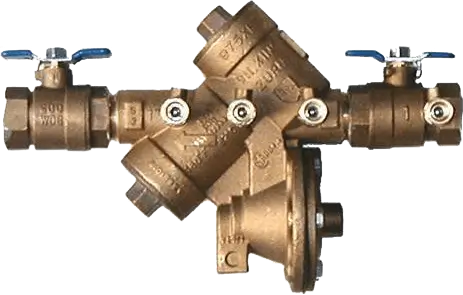
Understanding what happens during backflow testing helps property owners prepare appropriately and recognize the value they receive from professional backflow services. The process involves precise measurements of pressure differentials across check valves, relief valve operation verification, and comprehensive inspection of all mechanical components. A proper test evaluates both static and dynamic performance under various pressure conditions to ensure the assembly will function correctly during actual backflow conditions.
| Testing Component | What’s Being Evaluated | Pass Criteria |
|---|---|---|
| First Check Valve | Forward pressure differential | Minimum 1.0 PSI |
| Second Check Valve | Forward pressure differential | Minimum 1.0 PSI |
| Relief Valve | Opening point pressure | Opens at 2.0 PSI |
| Air Inlet Valve (PVB) | Opening response | Opens when pressure drops to atmospheric |
| Shutoff Valves | Operation and leakage | Fully operational with no leakage |
Most property owners are surprised by the technical complexity involved in proper backflow testing. The process requires specialized gauges capable of measuring pressure differences of just 0.1 PSI, along with adapters specific to each type of backflow prevention assembly. These sophisticated instruments represent a significant investment for professional testers but ensure accurate results that properly protect your water supply.
Top Factors That Drive Backflow Testing Cost
High impact
High impact
Medium-high
Medium
Medium
A complete backflow test actually involves multiple separate evaluations, each checking different components of the prevention assembly. For example, testing a reduced pressure zone (RPZ) device requires checking each check valve independently, verifying relief valve operation, and confirming that shutoff valves maintain watertight seals. This comprehensive approach explains why proper testing takes time and requires specialized knowledge.
Initial Inspection Steps
Before formal testing begins, certified technicians conduct a visual inspection of your backflow prevention assembly and surrounding plumbing. This preliminary assessment checks for obvious issues like leaks, improper installation, or visible damage that could affect device performance. Technicians also verify that the installed device matches the hazard level classification assigned to your property, as using an underrated device for your risk category constitutes a compliance violation.
During this phase, inspectors also document important details about your system, including manufacturer information, model numbers, serial numbers, and installation dates. This information becomes part of your permanent testing record and helps track the device’s service history. For commercial properties, technicians additionally verify that the assembly appears on the approved devices list maintained by the USC Foundation for Cross-Connection Control and Hydraulic Research.
Test Duration and What to Expect
A standard backflow test typically takes 30-45 minutes per device for residential installations, while commercial systems with multiple or larger assemblies may require 45-90 minutes each. During testing, your water service will be temporarily interrupted as technicians isolate the backflow prevention assembly to conduct pressure differential measurements. This brief service interruption usually lasts just 15-20 minutes during the actual testing procedure.
Technicians will connect specialized gauge equipment to test ports on your backflow preventer, then create controlled pressure differentials to evaluate each component’s performance. Through this process, they measure the pressure drops across check valves, test relief valve activation points, and verify that all components respond correctly under various pressure conditions. These measurements are precisely recorded to document compliance with required performance standards.
Documentation and City Submission Requirements
Upon completion of testing, you’ll receive an official backflow test report detailing all measurements, component evaluations, and the overall pass/fail determination. For passing devices, this documentation will be submitted electronically to Columbia Water Works within 10 business days as required by city ordinance. Failed devices generate a separate non-compliance report outlining specific deficiencies and required corrective actions.
Columbia’s documentation requirements have become increasingly digital, with paper forms being phased out in favor of electronic submission systems. This transition streamlines the process but requires testers to maintain current software and reporting protocols. Property owners should retain copies of all test reports for at least five years, as historical documentation may be requested during property transfers or insurance reviews.
Follow-up Procedures for Failed Tests
When a backflow device fails testing, regulations require that property owners address deficiencies within 30 days. During this compliance window, the tester must submit a failure notification to Columbia Water Works, which then monitors the situation until a passing test is registered. Depending on the severity of the failure, some properties may need to implement temporary hazard containment measures until repairs are completed.
Failed devices typically require either repair or complete replacement, depending on the nature and extent of the problems identified. Minor issues like worn seals or sticky components can often be repaired on-site, while more serious problems like internal corrosion or structural damage usually necessitate full assembly replacement. Professional testers should provide a detailed explanation of your options, including cost estimates for both approaches.
How to Save Money on Backflow Testing
While backflow testing is mandatory, several strategies can help reduce your overall backflow testing cost while maintaining full compliance with Columbia’s requirements. Smart planning and understanding available discount options can result in significant savings, especially for properties with multiple devices or those requiring annual testing over many years.
Annual Service Agreements
Many Columbia plumbing companies offer discounted backflow testing through annual service agreements that bundle testing with regular plumbing maintenance. These packages typically reduce testing costs by 15-20% while providing the added benefit of scheduled appointments that ensure you never miss compliance deadlines. Service agreements often include priority scheduling during peak seasons and discounted rates on repairs or replacements if issues are discovered.
Annual Testing vs. Waiting for a Problem
Lower, predictable cost
Higher, surprise cost
The most comprehensive service agreements include automatic scheduling systems that track your testing due dates and contact you proactively to arrange appointments. This hands-off approach removes the burden of monitoring compliance dates from property owners while ensuring continuous protection. Some providers even offer multi-year discounts with price locks that shield you from annual rate increases.
Combining with Other Plumbing Maintenance
Scheduling your backflow testing during the same service visit as other plumbing maintenance can significantly reduce overall costs through reduced trip fees and labor efficiency. Many companies offer combination discounts when backflow testing is performed alongside services like water heater maintenance, pipe inspections, or pressure regulator checks. This consolidated approach typically saves $25-50 compared to scheduling services separately, and addressing multiple systems in one visit often catches small problems before they become emergencies.
Neighborhood Group Testing Discounts
- Volume discounts of 10-25% for 3+ homes scheduled on the same day
- Reduced travel fees when multiple properties in the same neighborhood are tested sequentially
- Simplified scheduling through a single neighborhood coordinator
- Potential for neighborhood-specific testing reminder programs
- Group rates for shared community systems like irrigation networks
Many Columbia neighborhoods save by coordinating backflow testing through an HOA or an informal neighbor group. When several properties schedule in the same timeframe, providers offer group discounts thanks to reduced travel time, and a single coordinator handling scheduling and documentation keeps the logistics simple for everyone. These programs also create a safety net, since neighbors reminding each other of deadlines means fewer properties miss a test.
Preparing Your System for Easier Testing
Proper maintenance between annual tests can significantly reduce your long-term backflow prevention costs. Simple practices like protecting outdoor assemblies from freezing, keeping test ports clean and accessible, and promptly addressing small leaks all extend device lifespan and improve test outcomes. Well-maintained systems typically pass testing without expensive repairs and often remain serviceable for 15+ years compared to just 5-7 years for neglected devices.
Ensuring clear access to your backflow prevention assembly before the technician arrives can reduce service time and associated labor costs. Remove stored items, trim vegetation, and clear any obstacles that might impede access to the device and its shutoff valves. For basement installations, make sure adequate lighting is available and that the technician has a clear path to the assembly location. These simple preparations can reduce service time by 15-20 minutes, sometimes resulting in direct cost savings.
When to Schedule Your 2026 Backflow Test
Columbia’s backflow testing compliance is tracked on a rolling 12-month cycle based on your most recent test date rather than a fixed calendar deadline. This means your 2026 test should be completed within one year of your previous test, though scheduling 30-45 days before your deadline provides a buffer for any needed repairs or retesting. The most proactive property owners schedule their next test immediately after their current test is completed, securing preferred appointment times a year in advance.
Residential vs Commercial Backflow Profiles
1–2 devices
3–10+ devices
Understanding Columbia’s specific testing cycle helps property owners avoid unnecessary duplicate testing. If your device was tested in October 2025, for example, your next required test would be due by October 2026, not necessarily within the 2026 calendar year. This rolling compliance system provides flexibility in scheduling while ensuring devices receive appropriate annual verification.
When planning your 2026 testing schedule, consider the seasonal factors that affect both pricing and appointment availability. Most testing companies experience their highest demand during March through May as property owners prepare irrigation systems for the growing season. During these peak months, appointment slots fill rapidly and pricing often reflects the increased demand.
Planning Tip: Columbia Water Works maintains an electronic database of backflow testing records and typically sends courtesy reminders 60 days before your compliance deadline. However, these notifications are provided as a convenience, not a guarantee, ultimate responsibility for timely testing remains with the property owner regardless of whether reminders are received.
Optimal Testing Seasons
The ideal time for backflow testing Columbia SC homeowners should target falls between September and February, when demand is lower and many service providers offer seasonal discounts averaging 10-15%. During these months, scheduling flexibility improves dramatically, with many companies offering same-week appointments compared to 3-4 week waits during peak season. Testing during fall also allows identification of any freeze protection needs before winter temperatures arrive, potentially preventing costly freeze damage to outdoor assemblies.
Avoiding Last-Minute Compliance Rush Fees
Waiting until the final weeks before your compliance deadline often results in premium “rush service” charges ranging from $25-75 above standard testing rates, especially if your deadline falls during peak testing season. These expedited service fees represent the highest avoidable backflow testing cost, yet nearly 40% of Columbia property owners incur them by delaying scheduling until reminder notices arrive. Simply marking your testing deadline on a calendar and scheduling 60-90 days in advance eliminates these entirely unnecessary expenses.
Protect Your Water Supply with Professional Backflow Services
While cost considerations are important, the fundamental purpose of backflow testing remains protecting your family and community from potentially contaminated water. The relatively modest investment in professional backflow services, typically less than 0.5% of annual property maintenance costs, provides essential protection against waterborne illnesses and plumbing system damage. When selecting a provider, prioritize certification credentials, testing equipment quality, and reputation for thoroughness over minor price differences.
Columbia’s water safety regulations have successfully prevented major contamination incidents specifically because of consistent enforcement of backflow prevention standards. Every property that maintains compliant, properly functioning backflow prevention assemblies contributes to this community-wide protection system. Professional testing provides documented verification that your property isn’t creating cross-connection risks that could affect neighbors during pressure fluctuations or other system anomalies.
Beyond basic compliance, professional backflow services give you an expert evaluation of your overall plumbing system safety. Experienced technicians often identify potential cross-connection hazards during testing visits, allowing property owners to address risks before they lead to contamination incidents. This preventive value goes well beyond the simple documentation of regulatory compliance.
Safety Reminder: Backflow prevention is particularly critical for properties with irrigation systems, pools, hot tubs, water features, fire suppression systems, or specialized equipment connected to potable water lines. These common residential and commercial features create cross-connections that require appropriate protection and regular verification.
Backflow Testing FAQs for Columbia SC
| Question Type | Most Common Questions | Typical Answer Timeframe |
|---|---|---|
| Cost | How much is a test? Are repairs included? | During estimate |
| Scheduling | When is my test due? How far in advance should I schedule? | Immediate |
| Compliance | What happens if I miss my deadline? Do I need to be present? | Same day |
| Technical | Why did my device fail? What type of device do I need? | During testing |
Property owners frequently have questions about backflow services, testing requirements, and procedures. Understanding these common concerns helps demystify the process and sets clear expectations for this essential service. If your question is not covered below, call us and describe your situation, and we will tell you exactly what your property needs.
The terminology can be confusing the first time you face these requirements. Terms like “reduced pressure zone assembly,” “pressure vacuum breaker,” and “double check valve” are different technologies suited to specific cross-connection hazard levels. Don’t hesitate to ask your technician to explain which one is on your property and why.
Columbia’s backflow prevention requirements have changed over the past decade, which leads to confusion about current standards versus older practices. The most up-to-date requirements and approved device listings are kept on the Columbia Water Works website, the definitive source for compliance questions about your specific property.
How much does backflow testing cost in Columbia SC?
Most residential backflow testing in Columbia SC runs about $75 to $200 per device in 2026. Repairs, if needed, typically add $200 to $1,000, and a full device replacement runs $800 to $2,500 or more. Commercial sites with multiple or larger assemblies usually fall at the higher end. We give you the price before any work starts.
How often is backflow testing required in Columbia SC?
Backflow testing is required annually in Columbia SC for all properties with backflow prevention devices. This follows Columbia Water Works’ Cross-Connection Control Program and city ordinance, with a rolling 12-month schedule based on your last test date. High-hazard sites, such as industrial or medical, may need quarterly or semi-annual testing per your backflow permit.
What happens if I don't get my backflow device tested?
Failing to test triggers progressive enforcement: a 30-day non-compliance notice, then about a $100 fee plus another 15-day deadline, escalating fines up to $1,000, and possible water service shutoff until documented compliance is achieved, especially for commercial or severe cases.
Can I test my own backflow prevention device?
No, Columbia regulations prohibit property owners from self-testing backflow devices. Only technicians with current SC DES Backflow Prevention Assembly Tester certification, requiring 40-hour training, exams, and continuing education, using annually calibrated equipment, can perform valid tests accepted by Columbia Water Works.
How long does a backflow testing appointment take?
A typical residential backflow testing appointment takes 30 to 45 minutes total, including setup, testing, documentation, and cleanup. Commercial sites with multiple or larger devices may need 45 to 90 minutes per assembly, with water service interrupted for only 15 to 20 minutes.
What should I do if my backflow device fails the test?
If your backflow device fails, you can repair or replace it. Repairs are often cost-effective for newer units under 5 to 7 years old with minor issues. Regulations require compliance within 30 days. Your tester submits the failure notice to Columbia Water Works, which tracks it until a passing test is filed, and temporary measures may apply for high-hazard cases.
How do I know if I even have a backflow device or need one?
South Carolina requires a backflow preventer on homes with an in-ground irrigation system, a separate irrigation meter, or a water-serviced dock, so if you have any of those, you likely have a device that needs annual testing. If you are not sure, we can check during a visit and tell you what your property requires.