📅 Updated June 25, 2026
Key Takeaways
- A backflow preventer is a device that keeps water flowing in one direction, so used or contaminated water can never reverse course and mix back into your clean drinking supply.
- Backflow happens at a cross connection, any point where clean and dirty water can meet, usually triggered by back pressure or back siphonage when pressure changes in the line.
- There are several types of backflow preventers, from a simple air gap or atmospheric vacuum breaker to a pressure vacuum breaker and a full reduced pressure zone (RPZ) assembly, each matched to the hazard level.
- Irrigation systems, hose bibbs, and boilers are the most common backflow risks at a home, which is why sprinkler lines almost always need a backflow prevention device.
- Most testable assemblies must be inspected once a year by a certified tester, and a new install needs a permit. Above-ground units also need freeze protection in winter.
- If you are unsure whether your home has the right backflow preventer or it is due for testing, a licensed Columbia plumber can check, install, or certify it for you.
A backflow preventer is a device installed on your water line that lets water flow only one way, so used or contaminated water can never reverse direction and mix back into the clean water you drink. The short version: backflow happens when pressure in the pipes changes and water flows backward at a cross connection, a point where clean and dirty water can meet. A backflow prevention device blocks that reversal. Most homes need protection on the irrigation system at minimum, the testable types must be checked yearly by a certified tester, and a Columbia plumber can tell you which one your property requires.
I am Manny Anderson, a licensed master plumber, and our team at Plumb Time has installed, tested, and certified backflow assemblies across Columbia, West Columbia, and the Midlands for over 28 years. This guide explains what is backflow and how it happens, what the device actually does, the main types of backflow preventers and where each is used, why cross connections are the real hazard, how to keep an above-ground unit from freezing, and when to bring in a certified pro.
6 Must-Know Facts About Backflow
Before the deep dive, here are the six things every homeowner should know about backflow and the device that stops it. The rest of this guide expands on each one.
What Is Backflow, and Why Is It Dangerous
To understand what is backflow, start here: water in your home is supposed to move in one direction: from the municipal main, through your pipes, and out your taps. Backflow is when that flow reverses and water travels backward through the system. The danger is contamination. If dirty water from a hose left in a bucket, a fertilizer-fed sprinkler line, or a boiler can be pulled backward into your clean lines, it can carry chemicals, bacteria, or waste straight to your drinking water. It happens fast, often without any warning sign, which is exactly why prevention matters more than detection.
Backflow occurs through two mechanisms. Back pressure happens when the pressure downstream, inside your home system, rises above the supply pressure and pushes water backward, common with boilers, pumps, or heated systems. Back siphonage is the opposite, a sudden drop in supply pressure, from a water main break or a fire hydrant opening nearby, that creates a vacuum and sucks water backward like a straw. Either way, the fix is the same: an assembly that physically stops reverse flow.
How a Backflow Preventer Works
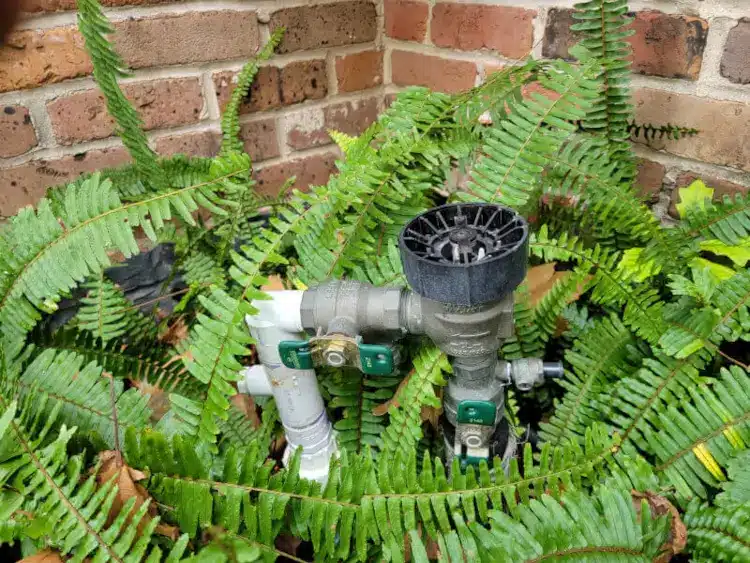
A backflow assembly sits at a strategic point on your plumbing, usually where your system connects to the municipal supply or to a high-risk fixture like an irrigation line. Inside, it uses check valves, air inlets, or an air gap to allow water through in the correct direction while slamming shut against any reverse flow. Think of it as a one-way gate for your water. When pressure tries to push or pull water backward, the device seals, vents, or breaks the connection so contaminated water has nowhere to go but away from your clean supply.
The simplest type is an air gap, just a physical vertical space between a faucet and the flood level of a sink, which is why your kitchen faucet sits above the rim. More advanced assemblies use mechanical check valves and, in the case of an RPZ, a relief valve that dumps water to the ground if both checks fail. The more serious the contamination risk, the more robust the device required, which is what the different types are all about.
Types of Backflow Preventers
There is no single device for every job. The right one depends on the hazard level and where it is installed. Here are the main types of backflow preventers you will encounter on a home or small commercial property, from simplest to most protective.
| Device | How it works | Typical use |
|---|---|---|
| Air gap | A physical space between the outlet and flood level | Sinks, tubs, simple fixtures |
| Atmospheric vacuum breaker (AVB) | Lets air in to break a siphon | Hose bibbs, simple irrigation zones |
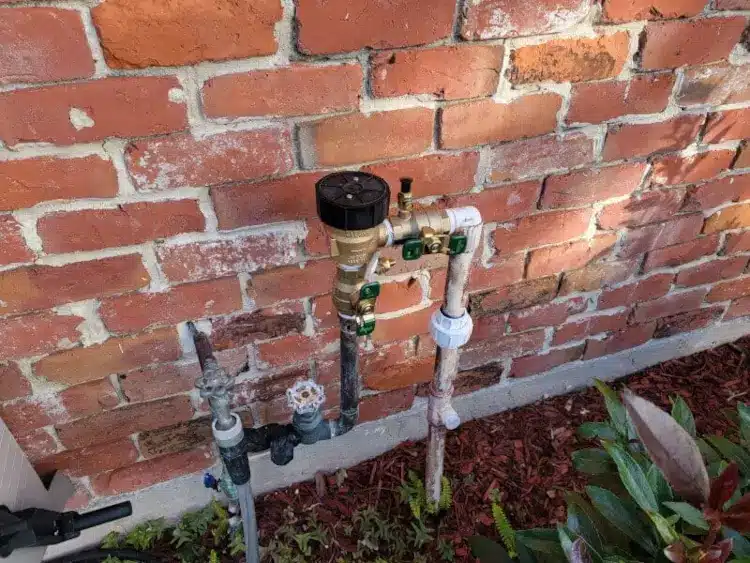
| Pressure vacuum breaker (PVB) | A check valve plus an air inlet, holds against pressure | Irrigation systems, most common on homes |
| Double check valve | Two independent check valves in series | Low-hazard cross connections |
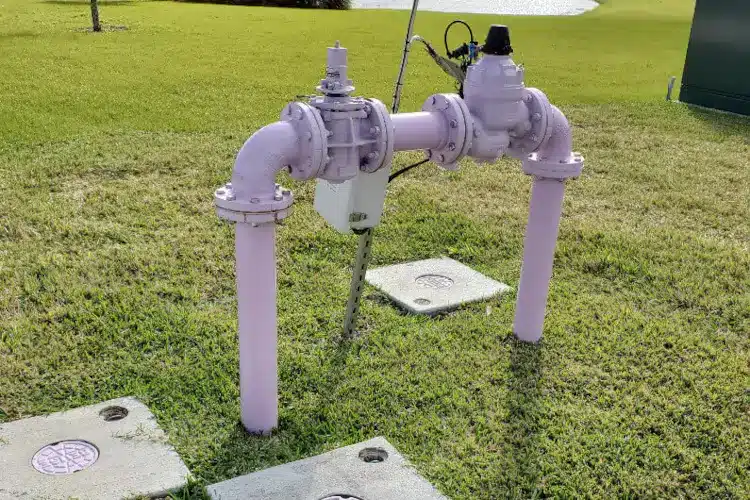
| Reduced pressure zone (RPZ) | Two checks plus a relief valve that dumps water if they fail | High-hazard sites, boilers, commercial |
For most Columbia homes, the unit you will actually see is a pressure vacuum breaker on the irrigation line or a dual check on the main, while an RPZ shows up on higher-hazard residential and commercial setups. You do not have to memorize all of this. The key point is that the backflow prevention device is chosen by the hazard, and getting it wrong leaves your water unprotected, which is why the selection is best left to a licensed plumber who knows the local code.
Cross Connections: Where Backflow Risk Lives
Every backflow problem starts at a cross connection. A cross connection is any point in your plumbing where the clean, potable supply can come into contact with a non-potable source. Some are obvious, like a garden hose left submerged in a pool or a bucket of soapy water. Others are built into the house, like the line feeding a boiler, a sprinkler system tied to the water main, or a utility sink with a threaded faucet. Each one is a doorway through which contamination can travel if pressure reverses, and each one is why these assemblies exist.
The reason cross connections matter so much is that they are easy to overlook. A hose bibb seems harmless until a pressure drop siphons whatever the hose is sitting in back toward your kitchen tap. Identifying every cross connection around a property is a core part of what a plumber does during a backflow assessment, the kind of cross connection control the EPA outlines for safe drinking water, and it is the reason code requires protection at specific high-risk connections rather than leaving it to chance.
What Happens When Backflow Goes Wrong
It is easy to treat backflow as a theoretical risk until you see what it can do. Real contamination events have forced entire neighborhoods onto boil-water advisories after a pressure drop pulled pesticides, pool chemicals, or worse into a public main. The contaminants that ride backward into a line are not pleasant: fertilizers and herbicides from irrigation, soap and bacteria from a submerged hose, treated water from a boiler, and in the worst cases human waste from a cross connection gone wrong. Once that material is in the pipes, flushing it out is expensive and slow.
The health stakes are why this is regulated rather than optional. Contaminated drinking water can carry E. coli, giardia, and other pathogens that cause serious illness, and chemical contamination can be worse still. A working backflow prevention device is a small, quiet safeguard against a problem that is very hard to undo. That is the whole reason codes treat certain connections as mandatory rather than leaving protection to the homeowner. The cost of the device and its yearly test is trivial next to the cost of a contamination event.
Which Homes Need a Backflow Preventer
Not every fixture needs its own assembly, but several common setups absolutely require backflow protection, and many are required by code. If your property has any of the following, you almost certainly need a backflow assembly, and likely an annual test.
If you are in Columbia and any of these describe your home, the safest move is to have the connection assessed so the right assembly is in place and certified. Our backflow prevention services page covers installation and ongoing protection, and if your assembly is already in and simply due for its yearly check, our guide to backflow testing and cost in Columbia SC walks through what to expect.
Keeping an Outdoor Backflow Preventer From Freezing
Most residential assemblies, especially the PVB on an irrigation line, sit above ground and exposed. That makes them vulnerable to freezing, and a frozen assembly can crack the body or split the internal components, leaving you with a failed device and a repair bill. In the Midlands we do not get long deep freezes, but a few hard nights each winter are enough to do damage if the unit is unprotected.
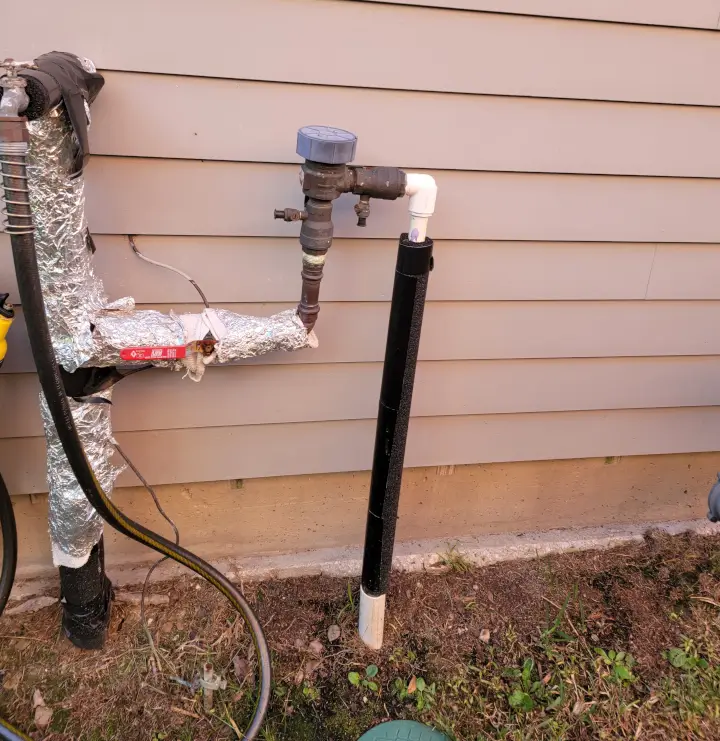
Protecting the unit is straightforward. Before the first hard freeze, shut off the water to the irrigation system and drain the assembly through its test cocks so no water is left sitting inside to expand. Then insulate the device, an insulated pouch made for backflow preventers, or pipe-wrap and a covered enclosure, keeps the worst of the cold off. Do not seal it completely airtight, since the relief opening still needs to vent. If you winterize your sprinkler system each fall, fold the backflow preventer into that same routine and it will be ready come spring.
Testing, Permits, and When to Call a Pro
An assembly only protects you if it actually works, and the testable types can fail silently. That is why most jurisdictions, Columbia included, require testable assemblies to be inspected once a year by a certified tester, and why a new installation needs a permit. This is not busywork. A check valve that has worn out gives no outward sign until the day it lets contaminated water through.
| You can handle | Leave to a certified pro |
|---|---|
| Adding a hose-bibb vacuum breaker | Installing a PVB or RPZ assembly |
| Winterizing the assembly each fall | The required annual certified test |
| Keeping the unit clear of debris | Pulling the permit for a new install |
| Spotting a leak or dripping relief | Repairing or rebuilding a failed valve |
The annual test itself can only be done by someone holding the proper certification, and the results are filed with the local authority, so this is genuinely not a DIY job. The same goes for installing or repairing a testable assembly, which requires both the skill to set it correctly and the permit to make it legal. If your relief valve is dripping, your unit is older and never tested, or you are not sure whether you even have the right protection, that is the point to call a licensed plumber.
What the annual test actually involves
If you have never watched a backflow test, it is quick and non-invasive. A certified tester attaches a calibrated gauge to the test cocks on the assembly, closes the shutoffs in sequence, and measures whether each check valve holds pressure the way it should. The whole process usually takes well under an hour for a residential unit. If the assembly passes, the tester files the result with the local authority and you are compliant for another year. If it fails, the tester can usually rebuild or repair it on the spot or schedule a follow-up.
Keeping a simple record of your test dates makes this painless year to year. Many homeowners get a reminder from their water authority, but the responsibility to stay current sits with you as the property owner. If you are not sure when yours was last tested, or whether it ever has been, that is a good reason to have it checked now rather than waiting for a notice or, worse, a failure.
Protect Your Water With the Right Backflow Preventer
Backflow protection is one of those quiet jobs that does critical work you never think about until something goes wrong. Understanding what a backflow preventer is, how backflow happens at a cross connection, and which type your property needs puts you ahead of most homeowners. The practical takeaways are simple: protect your irrigation and high-risk connections, winterize an exposed unit, and keep up with the required annual test so the device is ready when it matters.
If you take one thing from this guide, let it be that the device only works when it is the right type for the hazard, correctly installed, and tested on schedule. Get those three things right and you can stop thinking about it. Plumb Time Plumbing and Drains has installed, tested, and certified backflow assemblies across Columbia, West Columbia, Cayce, Oak Grove, Seven Oaks, St Andrews, and the wider Midlands for over 28 years, with a master plumber and certified testers on staff. You can explore our full range of plumbing services or the areas we serve to confirm we cover your neighborhood.
Backflow Preventer FAQs for Columbia SC Homeowners
Still have questions about what a backflow preventer is, which type you need, or whether yours has to be tested? These are the questions Columbia and Midlands homeowners ask us most often about backflow, cross connections, device types, and annual testing. If your situation is not covered here, call us at (803) 988-9202 and we will help you figure out exactly what your property needs.
What does a backflow preventer do?
A backflow preventer is a device that allows water to flow only one way through your plumbing, so used or contaminated water cannot reverse direction and enter your clean supply. It uses check valves, an air inlet, or an air gap to seal against any reverse flow caused by a pressure change in the line.
What is a cross connection?
A cross connection is any point where your clean drinking water can come into contact with a non-potable source, like a hose in a bucket, a sprinkler line, or a boiler feed. Cross connections are where backflow contamination enters, which is why a backflow preventer is installed to protect them.
What are the main types of backflow preventers?
The main types are the air gap, atmospheric vacuum breaker, pressure vacuum breaker, double check valve, and reduced pressure zone (RPZ) assembly. They range from simple to highly protective, and the right one depends on the hazard level. Homes most often use a pressure vacuum breaker on the irrigation line.
Does my home really need a backflow preventer?
If you have an irrigation system, outdoor hose bibbs, a boiler, a pool, or a well, then yes, you need backflow protection, and much of it is required by code. Irrigation systems are the most common residential requirement, since sprinkler heads sit in soil and fertilizer that must never reach your drinking water.
How often does a backflow preventer need testing?
Most testable backflow assemblies must be tested once a year by a certified tester, and the results are filed with the local authority. A new installation also requires a permit. Testing matters because a worn check valve gives no warning before it fails, so the yearly check is how problems get caught.
Can I test or install a backflow preventer myself?
You can add a simple hose-bibb vacuum breaker and handle winterizing yourself, but installing a PVB or RPZ and performing the required annual test must be done by a certified professional. The test can only be legally performed by a certified tester, and a new assembly install needs a permit.
How do I keep my backflow preventer from freezing in winter?
Before the first hard freeze, shut off the water to the irrigation system and drain the assembly through its test cocks, then insulate it with a backflow pouch or pipe wrap. Do not seal it airtight, since the relief opening still needs to vent. Fold this into your fall sprinkler winterizing.