📅 Updated August 5, 2026
Key Takeaways
- The seven signs that you have a water leak: mystery puddles, mold in dry zones, peeling paint, failing tile and caulk, water sounds, musty smells, and fixtures that shift.
- The average household leak wastes more than 9,300 gallons a year per the EPA, and most of it drips away silently behind walls and under floors.
- The meter test is how to find a water leak fast: with every fixture off, a moving leak indicator turns the question into a ninety second yes or no.
- Appliances cause their share: supply hoses, inlet valves, and toilet connections fail quietly, and the appliance water leak checklist below covers each one.
- Not every wet spot is a leak. Condensation, AC drain lines, and underlayment moisture mimic one, and we show you how to tell the difference.
The seven signs that you have a water leak in your bathroom are puddles with no explanation, mold where things should stay dry, peeling paint or wallpaper, loose tiles and failing caulk, the sound of water behind quiet walls, a musty smell cleaning cannot fix, and fixtures that have started to shift. Any one of them deserves a look. Two together deserve action, because a bathroom water leak almost never fixes itself and almost always grows. This guide upgrades each sign with the first check to run, then teaches you the meter trick that exposes a hidden water leak in minutes.
The 7 Signs, and the First Check for Each
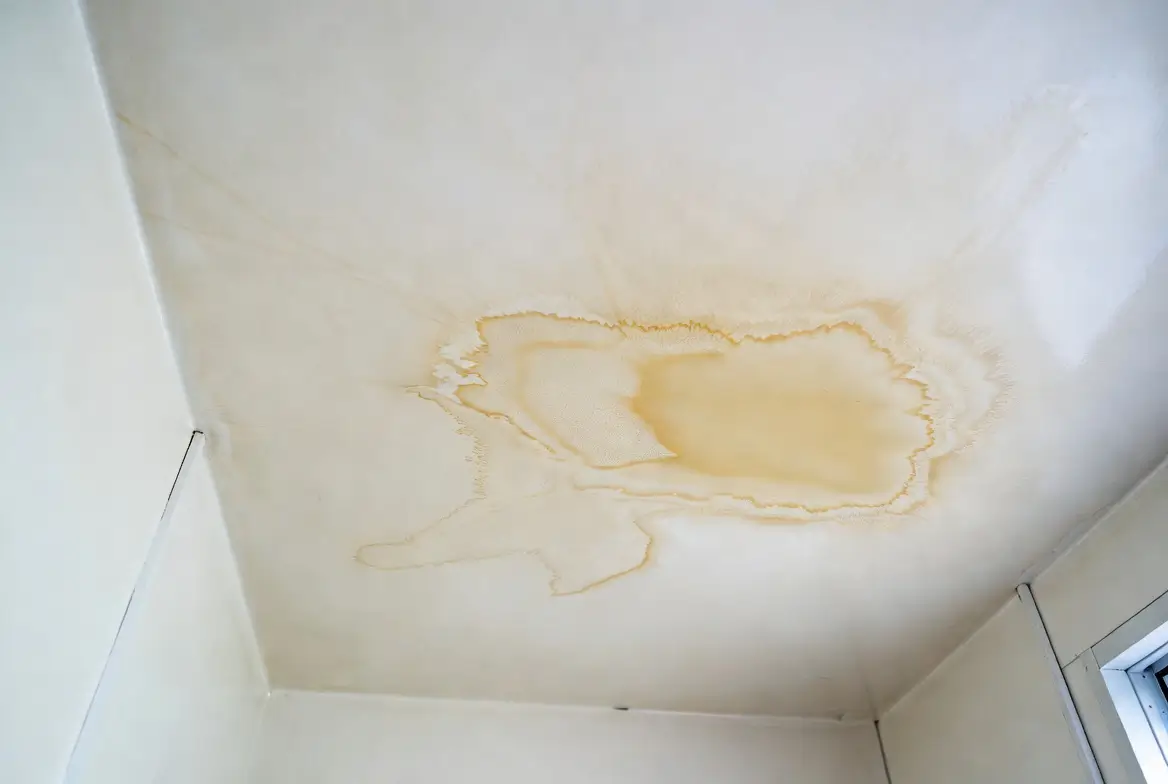
A bathroom water leak announces itself in small ways long before it soaks anything. Here are the seven signs in the order homeowners usually notice them, each with the quick check that narrows down the source before anyone opens a wall.
1. Puddles and Damp Patches With No Story
Water on the floor after a shower has a story. Water on the floor at two in the afternoon does not. Puddles at the toilet base, damp spots inside the vanity cabinet, or a floor that feels cool and slightly soft in one area are all water arriving from somewhere it should not be. First check: dry the spot completely with a towel, lay down a paper towel, and see how fast it darkens and where the wet edge points. The direction water returns from is your first arrow toward the source.
2. Mold Where Things Should Stay Dry
Some mildew around a shower is bathroom life. Mold on the baseboard behind the toilet, inside the vanity, on the ceiling below an upstairs bathroom, or blooming through paint on a wall that never gets splashed is a different message: a hidden water leak is feeding it moisture from behind. First check: press the surface near the mold. Drywall that feels soft, papery, or crumbly has been wet for a while, and the leak is upstream of that spot, usually higher or behind it.
3. Peeling Paint or Wallpaper
Paint and wallpaper let go when moisture works in behind them. Bubbling, flaking, or a seam curling away from the wall in a bathroom that ventilates fine during showers points at water inside the wall itself. First check: compare walls. Steam from a hot shower affects the whole room evenly, but a leak peels one patch while the rest of the room holds. One failing section on an otherwise healthy wall is a bathroom water leak talking, not humidity.
4. Loose Tiles and Failing Caulk
Tile does not loosen on its own. When grout lines crack, caulk pulls away, or a tile sounds hollow when tapped, water has usually been getting behind the surface and softening what holds it. A reader named Ryan asked why his shower tiles were changing color, and discoloration is the same mechanism one stage earlier: moisture saturating the backing and shadowing through. First check: tap tiles around the suspect area and listen for the hollow note, then press gently. Movement means the backing is compromised and water has a private entrance.
5. Water Sounds Behind Quiet Walls
Every fixture off, house silent, and you can still hear it: a drip, a trickle, or a faint high hiss inside a wall. A hidden water leak on a pressurized supply line runs around the clock, so the sound never takes a break. First check: shut off every fixture, put your ear to the wall at night, and follow the sound room to room. A steady hiss usually means a pinhole in a pressurized line, and that one is worth a call sooner rather than later, because it is flowing every minute of every day.
6. A Musty Smell Cleaning Cannot Fix
Chronic dampness smells like an old basement: earthy, thick, and stubborn. If scrubbing and air fresheners only mask it for a day, the moisture generating it is still there, hidden in a wall cavity or under flooring. First check: smell low and high. Odor strongest at the floor points below, strongest at the ceiling points above. And note that a rotten egg odor is a different problem entirely, covered in our guide to sewage smells in the house. Musty means moisture. Sulfur means the drain system.
7. Fixtures That Wobble or Shift
A toilet that rocks, a faucet base with new play in it, or an escutcheon plate that spins freely all say the same thing: the seal or the surface under that fixture has changed. Water sneaking past a toilet’s wax ring or under a faucet base softens what the fixture bolts to. First check: look for discoloration or sponginess right at the base. A rocking toilet especially should move you quickly, because every rock breaks the wax seal a little more, and the subfloor under it pays the bill.
Here is the quick reference version, with the likeliest source for each bathroom water leak sign:
How to Find a Water Leak You Cannot See
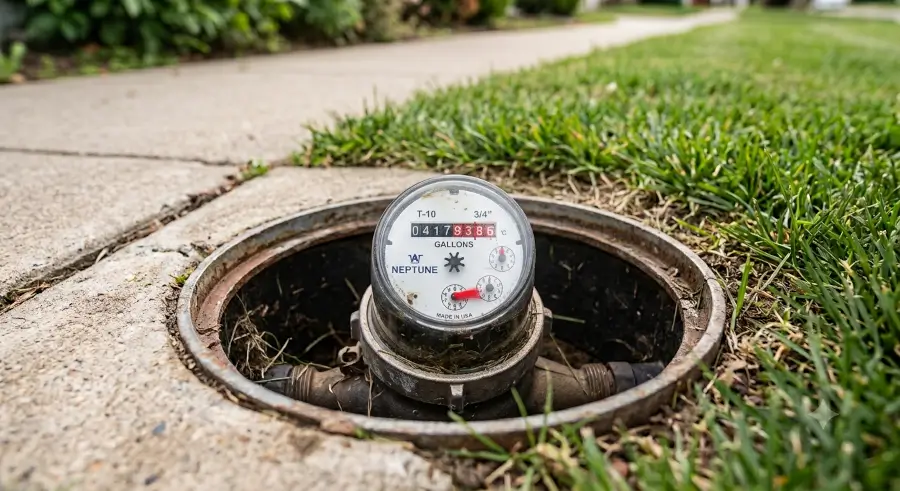
The meter test turns a hidden water leak into a ninety second yes or no. The small spinner is the leak indicator.
Here is how to find a water leak with nothing but the meter you already own. It is the first thing we teach Midlands homeowners, often before we ever roll a truck. Turn off every fixture and appliance that uses water. Open your meter box near the street and look at the small spinner or triangle on the dial, the low flow indicator. With everything off, it should be perfectly still. If it is turning, water is moving somewhere, and you have your answer. The EPA’s WaterSense program recommends the longer version too: note the reading, wait two hours with no water use, and any change confirms it.
Columbia area homes have an extra advantage here. Columbia Water spent several years installing automated meters across more than 150,000 accounts, and the utility’s free Eye On Water portal shows your hourly usage and can send leak alerts to your phone. A flat line overnight means a tight house. Usage ticking along at three in the morning means a hidden water leak is running while you sleep, and the graph will even suggest how big it is.
Once the meter says yes, narrow it down. Shut the angle stops under each toilet and sink one at a time and recheck the indicator; when it stops, you have found the branch. One reader, Nancy, found water on her basement floor with two bathrooms above and no idea which was guilty, and this valve by valve method is exactly how that mystery gets solved: it is how to find a water leak’s home branch without opening a single wall. For hot side leaks there is another tell: a warm patch on the floor, or a water heater that runs more than it used to, points at the hot line.
A reader in Chapin described a bathroom water leak upstairs pouring through to the ceiling below, unsure if it was tile, the shower pan, or pipes. The ceiling itself answers: a stain that grows only during showers is the pan or tile, while a stain that grows on its own schedule is a supply line, because pressurized pipes do not wait for bath time.
One more clue worth knowing: a hidden water leak on a supply line sometimes announces itself as weaker flow at the fixtures it feeds. If pressure dropped and no leak sign has surfaced yet, our guide to improving shower water pressure walks through the innocent causes first, and what it means when none of them fit.
And when the homeowner tools run out, the professional ones come off the truck. Thermal imaging shows the cool signature of wet material inside a wall before anything is opened, and acoustic gear can hear a pinhole hiss through tile. That equipment is the difference between opening one small square of drywall in the right place and opening five in the wrong ones, and it is a big part of why finding the leak costs far less than people fear.
Meter Says Yes and You Cannot Find It?
Tanya answers the phone, and Manny has traced leaks through Midlands walls for over 28 years. Exact price quoted in writing before any work begins.
When It Looks Like a Leak but Is Not
Not every wet spot earns the word leak, and knowing the imposters saves real money. The most common one is condensation. A toilet tank or cold supply line sweats in a humid Columbia summer, drips onto the floor, and imitates a failing seal drop for drop. The tell: condensation shows up in muggy weather and on cold surfaces, then vanishes when the humidity does. A true bathroom water leak keeps its own schedule regardless of the weather.
A reader named Ben asked whether the foam underlayment beneath his laminate flooring could be collecting condensation and pushing quarter sized puddles up through the seams, and the answer is yes, that happens, especially over crawlspaces and slabs where cool meets humid. Another reader, Carol, found water along her basement floor and could not tell whether the air conditioner or a bathroom above was responsible, and that confusion is common for good reason: a clogged AC condensate line produces a steady drip that reads exactly like plumbing.
The meter test settles every one of these imposters at once. Condensation, underlayment moisture, and AC drainage never move the meter. A real leak always does. Ninety seconds at the meter box sorts imposters from the real thing before anyone spends a dollar. And if condensation turns out to be your culprit, foam pipe insulation on the cold lines and a toilet tank liner end most sweating for a few dollars at the hardware store.
The Appliance Water Leak Checklist
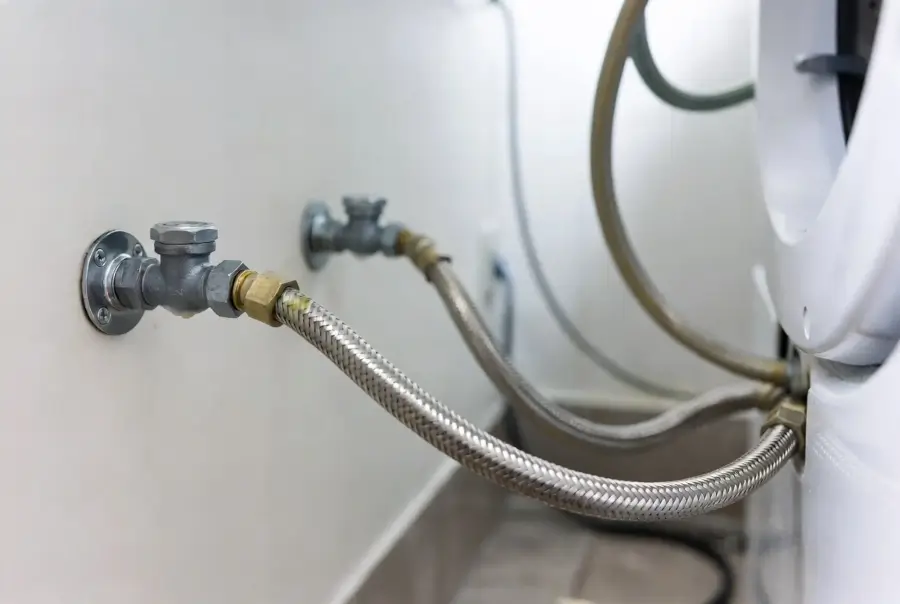
Supply hoses are the most common appliance water leak source, and the five year replacement rule exists for a reason.
Bathrooms get the attention, but the appliance water leak deserves its own checklist, because these are the leaks that run while nobody watches. Washing machine hoses top the list: rubber hoses fatigue, bulge, and eventually burst under full house pressure, which is why the standing rule is to replace them every five years with braided stainless lines like the ones in the photo. While you are back there, learn where the washer’s shutoff valves are, so a future problem is a turn of a handle instead of a flood. Five minutes of prevention beats every appliance water leak story we have ever been told.
Toilets run a close second, and their leaks hide in two places. The supply connection at the wall loosens over years of tank refills, and the flapper inside the tank wears until water trickles into the bowl around the clock. The EPA’s food coloring test catches the flapper version: a few drops in the tank, wait fifteen minutes without flushing, and color in the bowl means the flapper is passing water. It is a two dollar part responsible for some of the biggest bills we see.
Dishwashers drip from the water inlet valve or a tired door gasket, and because the drip lands under the unit, it can rot flooring for months before anyone notices, which makes it the appliance water leak at its sneakiest and a textbook hidden water leak. Refrigerator ice maker lines fail the same quiet way behind the cabinet. And a leaking water heater is its own subject with its own warning signs, covered fully in our guide to water heater leaks and what to do about them. The unifying theme: every appliance water leak starts small, hides well, and bills you monthly until found.
The appliance water leak cheat sheet, saved for your utility room door:
Will Homeowners Insurance Cover the Damage?
Carol also asked whether her water problem was a homeowners insurance claim, and the honest answer is: it depends on how the damage happened, and only your insurer can say for your policy. As a general pattern, policies tend to treat sudden and accidental water damage, like a burst hose, differently from damage that built up gradually from a leak that went unaddressed. That difference is one more reason finding leaks early matters. What we can tell you from experience: photograph everything before cleanup, keep every receipt, note dates, and call your insurer promptly. Good documentation has helped plenty of our customers, and it costs nothing to gather.
What Waiting Costs
The math on patience is ugly. Nationally, household leaks waste about 1 trillion gallons a year, and the average leaky home loses more than 9,300 gallons annually per the EPA, most of it silently. The water bill is the small cost. The real bill is what water does to wood, drywall, and subfloor while it waits to be found. Framing that stays wet loses strength, drywall crumbles from the back forward, and mold can establish itself in a wall cavity within days of the first soaking. None of that shows up until it is expensive, because damage grows in the dark and never waits for a convenient month.
The bright side is how cheap vigilance is. The meter test is free and remains how to find a water leak faster than any gadget, the food coloring test costs pennies, and the paper towel trick costs a paper towel. Every sign on this page is cheapest the day you notice it.
If something here sounds like your bathroom, run the meter test today; it remains the simplest answer ever given to how to find a water leak. If the indicator moves and the source will not show itself, that is what we are for. Tanya answers the phone, the price is quoted in writing before any work begins, and finding what is hiding is the part of plumbing services we have practiced in Midlands homes for over 28 years. A bathroom water leak found this week is a repair. Found next year, it is a renovation.
A bathroom water leak caught early is a small repair. That is the whole reason this page exists.
Stop Paying for Water You Never Use
Family and veteran owned. Licensed, bonded, and insured. Military and senior discounts.
Water Leak Questions Columbia Homeowners Ask Us
These are the leak questions we hear most in Midlands homes, including several asked by readers right here on this page. If yours is not covered, call the office and Tanya will get you an answer.
What are the first signs that you have a water leak?
Usually a small one: a puddle with no story, mold in a spot that should stay dry, one patch of peeling paint, or a musty smell that cleaning never fixes. A water bill that creeps up without a reason belongs on the list too. Any single sign earns a meter test, and two together earn a phone call.
How do I find a hidden water leak in my bathroom?
Start at the water meter. Turn off every fixture, then watch the small leak indicator on the dial: if it moves with everything off, water is escaping somewhere. Then close the shutoff valves under each toilet and sink one at a time until the indicator stops. The valve that stops it names your branch.
How do I know which bathroom a leak is coming from?
Isolate them. Close the shutoff valves serving one bathroom completely, recheck the meter’s leak indicator, and if it stops moving, that bathroom is guilty. If it keeps spinning, reopen those valves and close the next bathroom’s. Ten minutes of valve work usually answers what weeks of staring at stains cannot.
Can a water leak stop on its own?
Effectively never. Pressurized lines push water through any opening around the clock, and moving water enlarges its own path over time. A leak that seems to vanish has usually just changed where the water travels, which can be worse, since it may now be soaking somewhere you cannot see. Treat quiet as suspicious.
Does homeowners insurance cover bathroom water leak damage?
It depends on your policy and how the damage happened, so your insurer is the only real authority. As a general pattern, sudden accidental damage is treated differently than gradual damage from a long ignored leak. Photograph everything, keep receipts, note dates, and call your insurer promptly either way.
How much water does a small leak waste?
More than most people guess. The EPA puts the average leaky household at over 9,300 gallons a year, and nationally leaks waste about 1 trillion gallons annually. A worn toilet flapper alone can quietly run hundreds of gallons a day. The water is the cheap part; what it soaks into is the expensive part.
When should I call a plumber for a water leak?
The moment the meter confirms a leak you cannot locate, the moment you hear water in a wall, or the moment anything structural feels soft. DIY fits visible fixes like supply hoses and toilet flappers. Anything hidden, pressurized, or repeating belongs with a licensed plumber, quoted in writing before work begins.
I have a big leak in my upstairs bathroom don’t know if its coming from wall tile or floor of shower it can pour into my bathroom down stairs .or from the pipes in wall .I live in chapin sc 29036 .
My shower tiles changing its color from the shower area, lavatory at toilet bowl. Is it the water pipe from that area is damaged?
I have a leaking but I don’t really know where it is coming from. I notice the leaking because I found water on my basement floor I have two bathrooms which I don’t know from which one is coming from.
Could the foam underlayment under the laminate flooring in the bathroom be collecting water or condensation and pushing it through the seem of the flooring leaving little quarter size puddles?
i recently found several areas with water along the basement and flooring in a few rooms i though the ac from outside but it maybe the bathroom but i’m not sure nothings running when there is water and i’m deaf disabled vet so i can’t hear sounds help is this a claim for home owners insurance? i have usaa in jacksonville florida